What a kardex (stock ledger) is, and why nobody should be able to erase it
It's the file on every product: what came in, what went out, when, at what cost and who moved it. All of its value comes from a single property: nobody can change it afterward.
 Arca5 min read
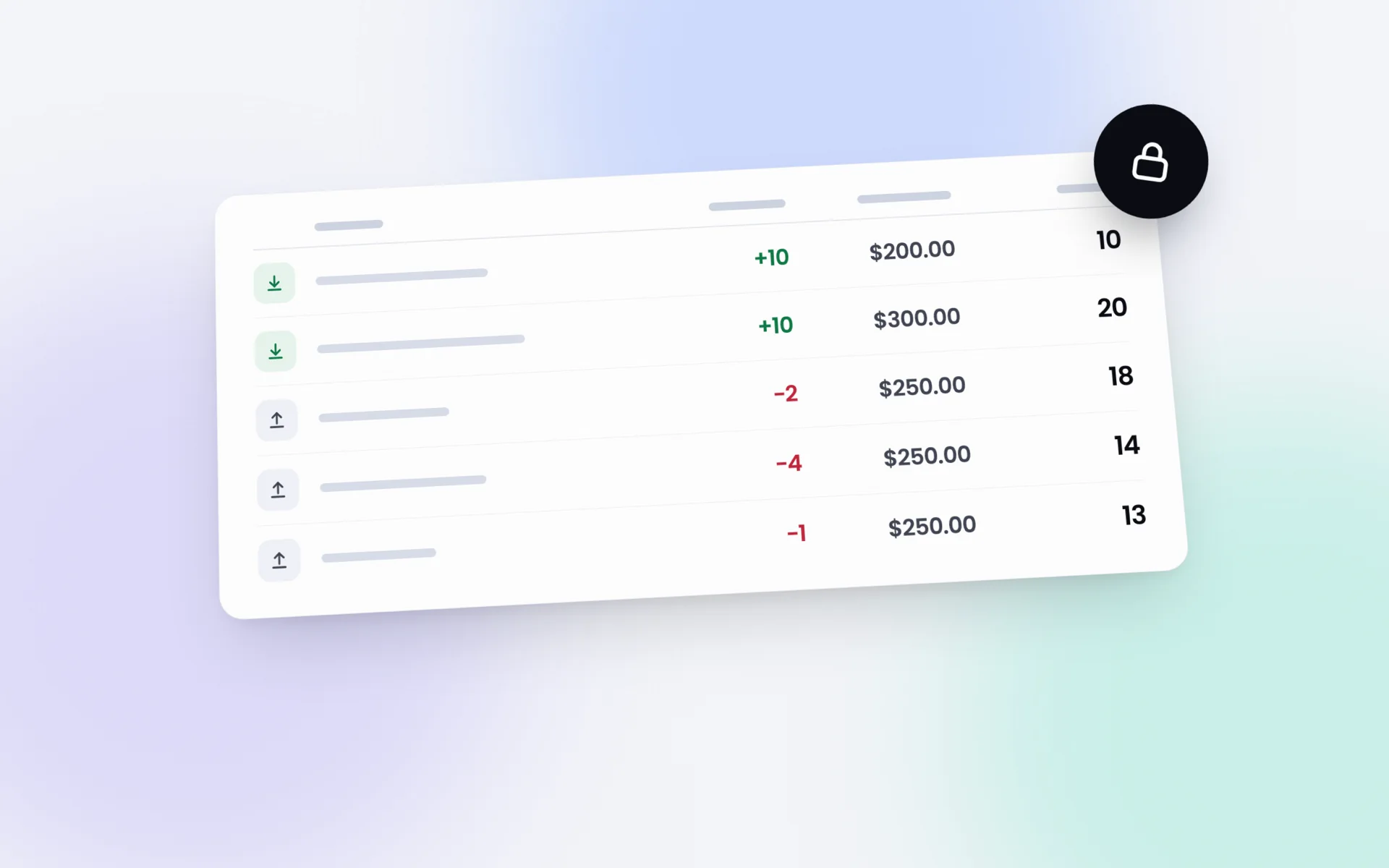
In Mexico and much of Latin America it's called a kardex: an old word that comes from the cardboard cards kept in a metal drawer, one per product. In English you'd call it a stock card or stock ledger. It describes something very simple: the complete history of an item's movements. Each row says what happened, when, how many pieces, at what cost and what was left on hand.
| Date | Type | Quantity | Unit cost | Balance |
|---|---|---|---|---|
| Mar 12 | Opening stock | +10 | $200.00 | 10 |
| Apr 3 | Receipt | +10 | $300.00 | 20 |
| Apr 18 | Sale | −2 | $250.00 | 18 |
| Apr 24 | Transfer | −4 | $250.00 | 14 |
| May 2 | Shrinkage | −1 | $250.00 | 13 |
Read top to bottom, that table answers questions no report does: why the piece costs $250 and not $300, when stock was moved to the other shop, and on what day the shrinkage showed up that threw off the count.
What makes it valuable: it can't be edited
A ledger you can correct is just a notebook. It tells you what you have today and nothing more, because any odd row could have been fixed before you saw it, and there's no way to tell whether it was.
The rule is the same one accounting has always used: you don't erase an entry, you reverse it. If you logged ten pieces coming in and there were five, you don't edit the row: you record five going out with a reason, and both stay. The balance ends up right and the history tells what really happened, mistake included.
What every row needs
- Date and time. Without the time, two movements on the same day can't be put in order, and the order is what makes the balance make sense.
- Type of movement. Receipt, sale, return, transfer, adjustment. Each one is investigated differently.
- Quantity with a sign. What comes in adds, what goes out subtracts. Without the sign you have to guess from the type.
- Unit cost. It's what lets you value what went out and calculate the cost of goods sold.
- Balance after the movement. So you can read the column top to bottom without adding in your head.
- Location. Which shop or warehouse it happened in. Without it, a transfer looks like one loss and one arrival.
- Who did it. Not to keep watch: to know who to ask. Whoever entered an odd receipt is the person who can explain it.
- Reason, when it's an adjustment. Count, shrinkage, breakage, theft. Without a reason, six months from now it's a number that tells you nothing.
Transfers, where almost everyone gets it wrong
Moving stock from one shop to another doesn't change what your inventory is worth: same piece, same cost, different shelf. That's why a transfer is TWO linked rows (one out at the origin and one in at the destination, both at the same cost) and not a sale at one end and a purchase at the other.
Recording it as a purchase at the destination is the classic mistake, and it's an expensive one: it inflates the average cost at the receiving shop, adds an expense that never happened, and throws off the margin on everything that shop sells afterward.
What it'll do for you
It'll help you reconcile a count, show your accountant where the month's cost of goods sold came from, see whether one shop is losing more stock than the others, and, on the day you have to prove to someone (a partner, the SAT, Mexico's tax authority, or a buyer) that your numbers come from somewhere, it'll be there.
In Arca, every receipt, sale, transfer and adjustment writes its own row, with everything on the list above. It can't be edited or deleted: if something doesn't add up, the ledger tells you where it went.
Read: how to keep track of your business's inventory
Read: how weighted average cost works