What does the stock you sell really cost you?
Buy the same product at two different prices and «what it cost me» stops being a single number. Weighted average cost is how you turn it back into one, and it takes a single division.
 Arca6 min read
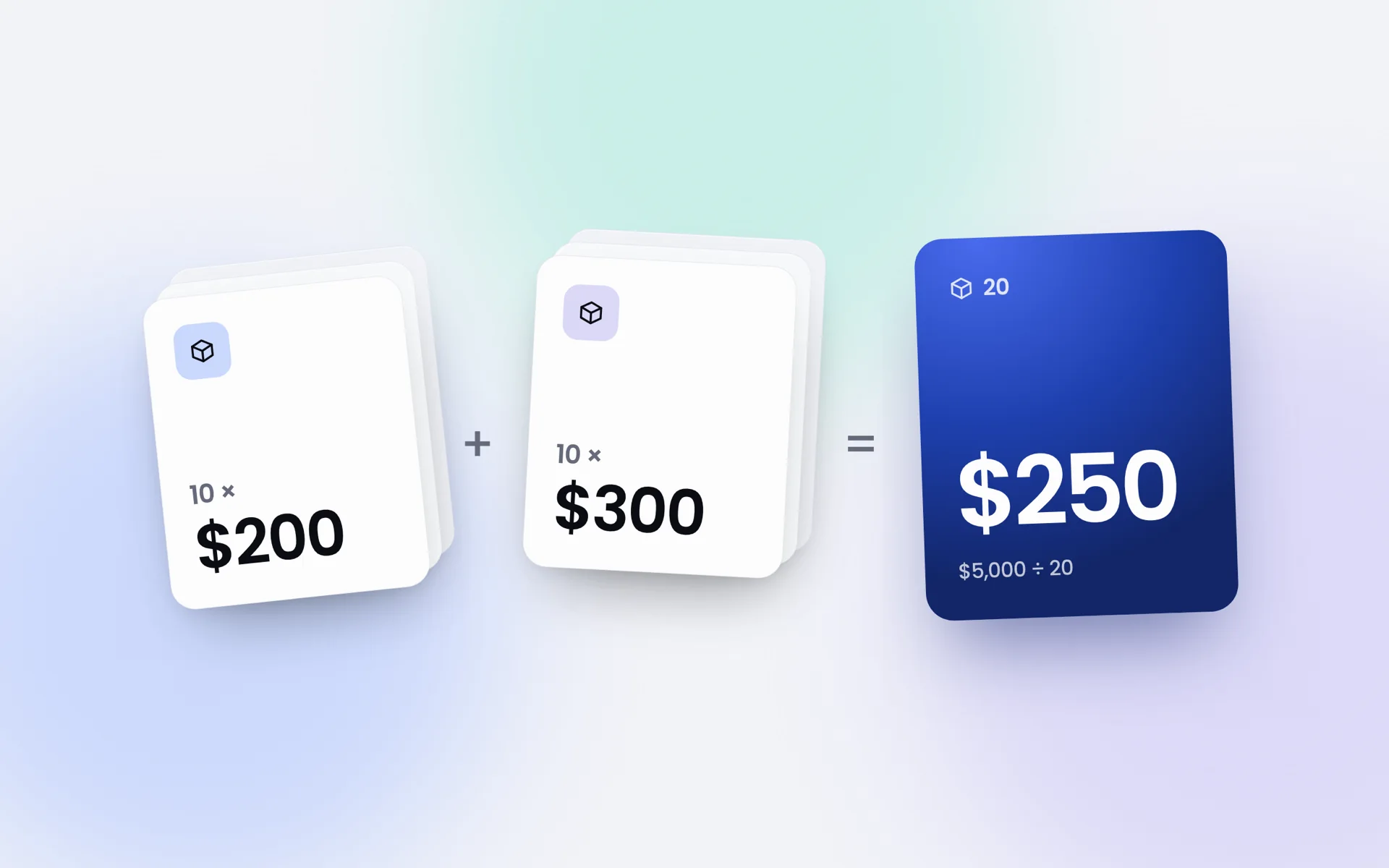
You bought ten pieces at $200. Two sold. You bought ten more, but this time the supplier charged $300 each. Now there are eighteen on the shelf, and the simplest question in business no longer has a simple answer: if you sell one today, what did it cost you?
Nearly everyone says $300, because that's what they paid last time. And nearly everyone is wrong. That number inflates your cost, squashes the margin you think you have and, when it's time to decide which product to push, steers you toward the one that makes you the least.
Weighted average cost, in one division
Weighted average cost is the total you have invested in a product divided by the pieces you have. That's it. «Weighted» just means each purchase counts according to how many pieces it brought in: twenty pieces at $200 move the average twice as much as ten.
| Movement | Pieces | Unit cost | On hand | Average |
|---|---|---|---|---|
| Opening purchase | +10 | $200.00 | 10 | $200.00 |
| Supplier purchase | +10 | $300.00 | 20 | $250.00 |
| Sale | −2 | $250.00 | 18 | $250.00 |
The second purchase puts the average at $250: $2,000 from the first plus $3,000 from the second, over twenty pieces. And here's the key part: when you sell, that cost gets FROZEN. The sale goes out at $250 and stays at $250 forever, even if the supplier raises the price to $400 tomorrow.
Why it matters even if you sell little
With cost tracked properly, three numbers that are gut feelings today become facts:
- Your margin per product. Prices in Mexico include IVA, the 16 % value-added tax. If you sell it for $520 tax included, your revenue is $448.28 and your margin is (448.28 − 250) ÷ 448.28: 44.2 %. Using the last purchase cost you'd have come up with 33 %, and you might have stopped pushing a product that does make you money.
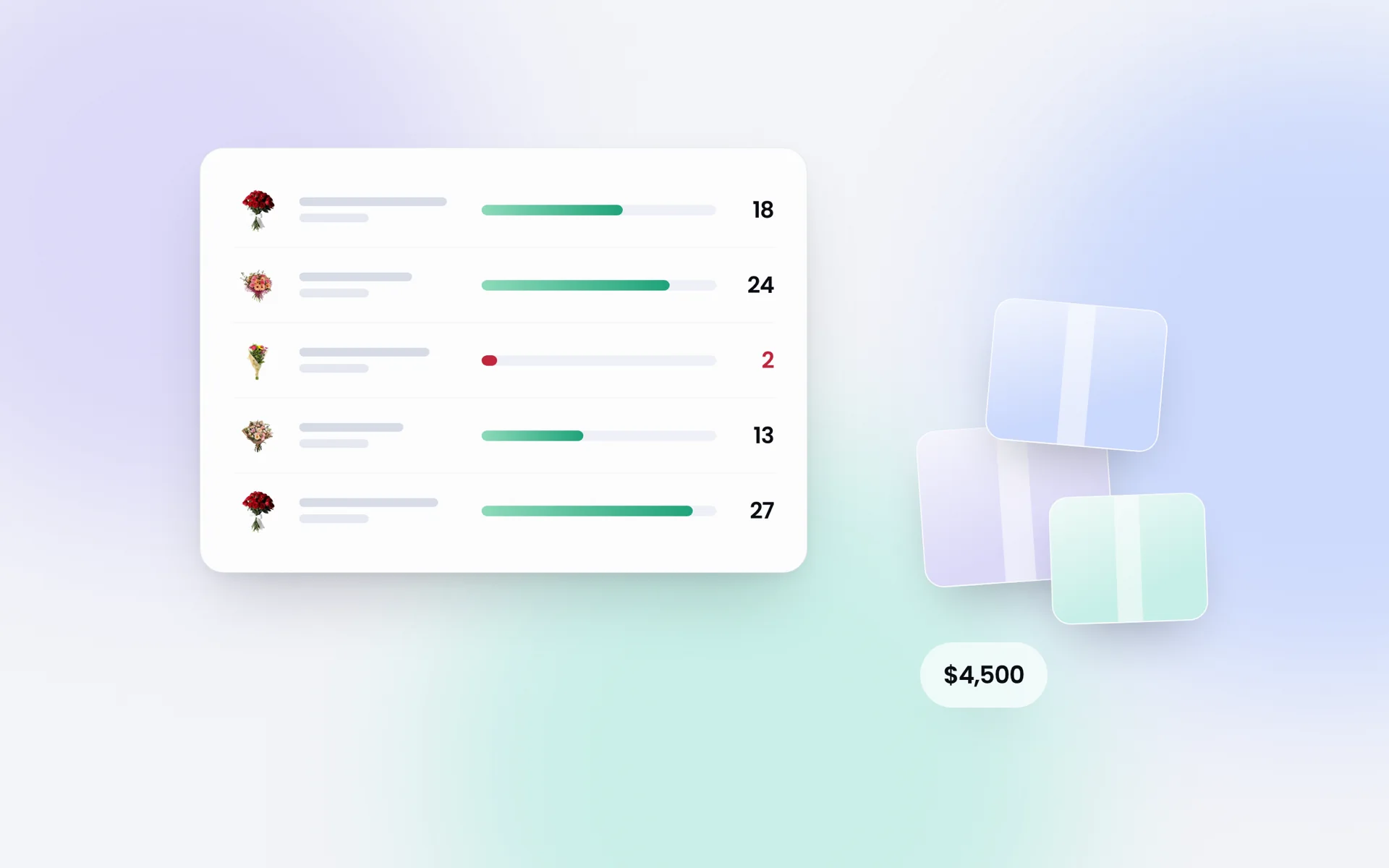
- What your inventory is worth. Eighteen pieces at $250 is $4,500 sitting on the shelf. That's the number that goes on your balance sheet, and the one that tells you how much money you have parked.
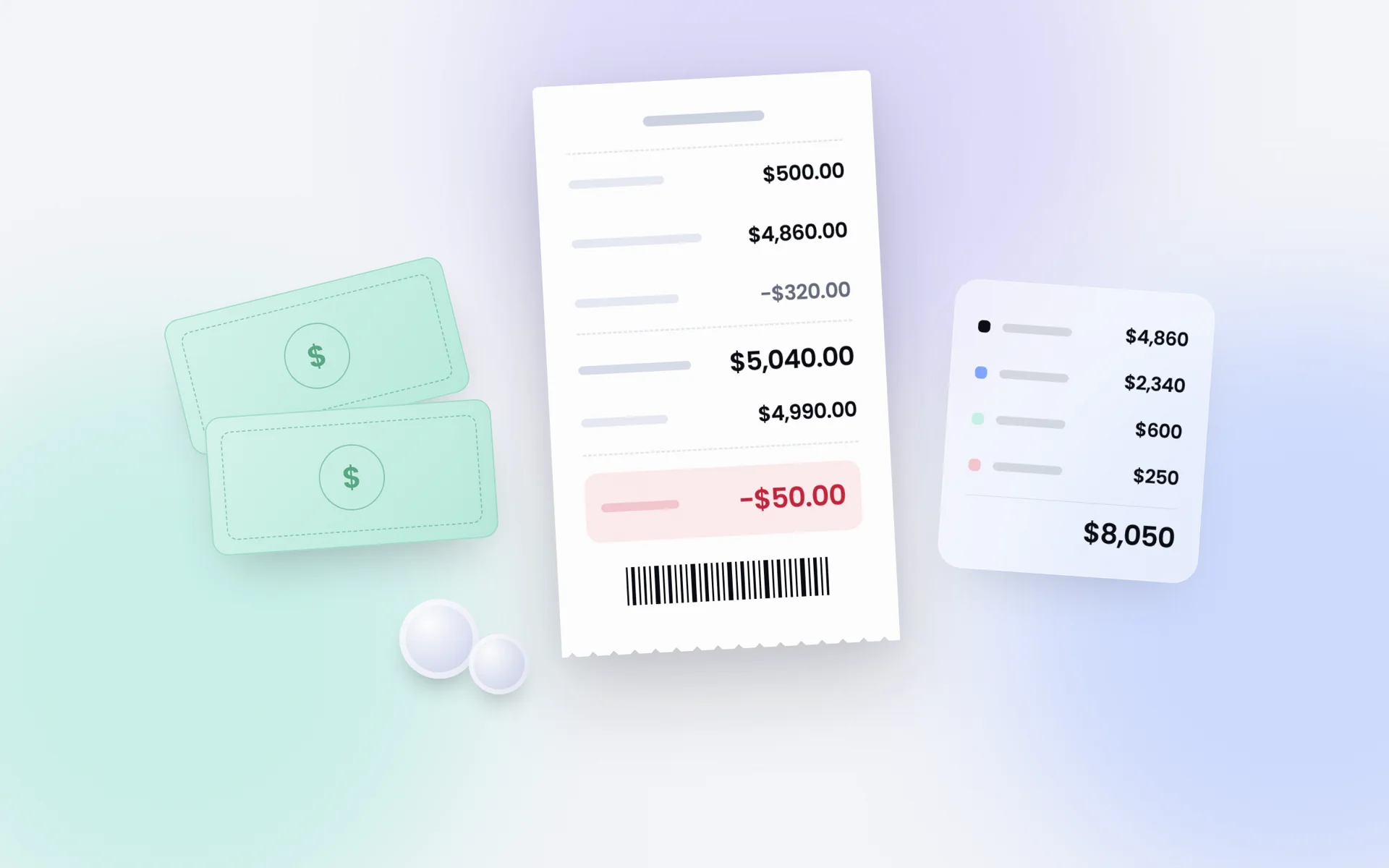
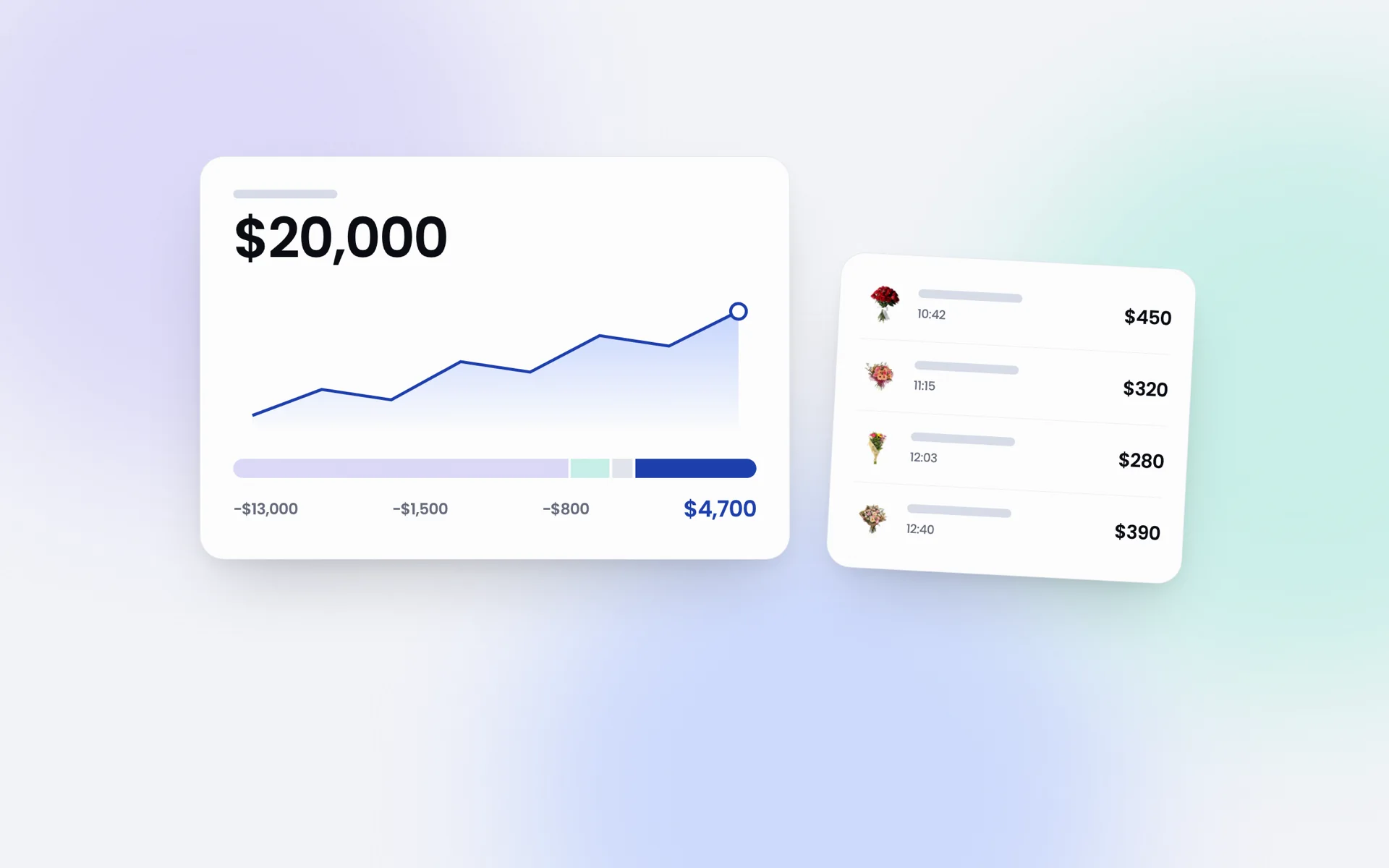
- Your cost of goods sold for the month. The sum of what the pieces that went out actually cost, not what you spent on purchases. They're different things, and mixing them up is the most common way to believe a bad month was a good one.
The three mistakes you see all the time
Using the last purchase cost. The most common and the most painful, because supplier prices go up more often than they come down: it makes you think you earn less than you do and pushes you to raise prices you didn't need to raise.
Working out the average by hand every so often. It works until a purchase gets forgotten. And one will: the average has to be recalculated on EVERY delivery, not at month end.
Forgetting freight and discounts. If the supplier charged you $300 plus $20 freight, your cost is $320. If they gave you 10 % off for paying early, it's $270. Cost is what the piece actually cost you, landed in your shop.
How to keep it without losing your mind
You can do it by hand, with a page per product: one column for pieces, one for money invested, and the average as the first divided by the second. The math isn't the problem; the discipline is. Every delivery has to be written down the day it arrives, and a shop with three hundred SKUs means three hundred pages.
Arca does it when stock comes in: you enter how many pieces arrived and at what price, and the average recalculates itself. When you record a sale, it carries that frozen cost, and from there you get the product's margin, the value of your inventory and your cost of goods sold for the period, without working anything out yourself.
Read: how to keep track of your business's inventory
Read: your real margin isn't the price minus what you paid
Read: what a kardex is and why nobody should be able to erase it